
Buy Native Cigarettes Online in Canada at Fair Prices
You’re running low on smokes before a weekend camping trip, so you pull up your phone and search for a quick way to stock up—that’s where buying native cigarettes online in Canada comes in. It’s a straightforward process: you pick your brand from a native-run website, add your cart, and checkout with delivery straight to your door. The main draw is convenience and savings, since you skip the trip to the reserve and often pay less per carton than at corner stores. Just enter your address, choose your shipping speed, and your order shows up in a plain package within a few days.
What to Know Before Your First Online Tobacco Order
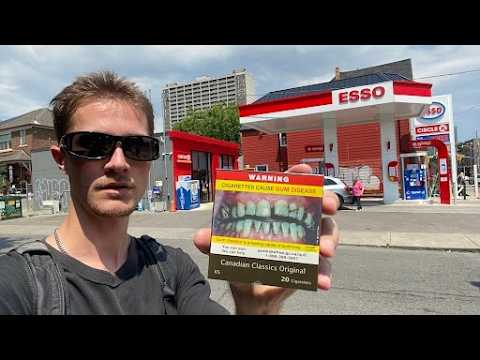
Before your first online tobacco order, you’ll want to confirm the vendor ships to your exact province, because delivery rules for **buy native cigarettes online Canada** can differ sharply by region. I learned this when my order sat in a depot for ten days—customs checks on native brands aren’t guaranteed, but they’re not rare either. Always verify the package weight and moisture level in the product description; dry stock is a common rookie mistake. Also, track your cartage fee—some sites hide it until checkout, turning a “deal” into a bitter pill. Finally, order a smaller carton first to test the rolling quality and taste, since native blends vary widely between producers. That first order taught me to read every line—your wallet and lungs will thank you.
How Indigenous-Made Cigarettes Differ From Mainstream Brands

When you buy native cigarettes online Canada, the first difference you’ll notice is the **unfiltered, full-flavor tobacco profile**—Indigenous-made blends often use darker, air-cured leaf that delivers a stronger, earthier taste than mainstream’s processed, additive-laden mix. The cut is coarser, so packs burn slower and pack a heavier nicotine punch, meaning you might smoke less per session. Rolling papers, if included, are typically thicker and less bleached. Also, expect a shorter, sturdier cigarette body without the modern charcoal filters, which changes draw resistance and throat hit. Packaging is plain, functional, and often lacks the glossy branding, so don’t expect moisture-sealed freshness—keep packs in a ziplock.
Q: How do Indigenous-made cigarettes differ from mainstream brands in terms of smoking experience?
A: Fundamentally, they swap engineered smoothness for a raw, robust hit—less chemical aftertaste, a faster burn rate, and a more pronounced natural tobacco aroma that lingers longer.
Understanding the Price Difference Per Carton
Understanding the price difference per carton when you buy native cigarettes online Canada starts with recognizing that costs vary by brand, not just by bulk. A premium native blend may cost more per carton because of its curing process, while budget options save money but often burn faster, meaning you use more. Compare the per-carton price against the number of cigarettes inside—some cartons hold 200, others 250, skewing the apparent deal. For a smart first order, follow this sequence:
- Divide the carton price by the total cigarette count to get a true per-stick cost.
- Check if shipping fees are folded into the displayed carton price—if not, add them to your total before comparing.
- Look for volume discounts on multi-carton orders, as the per-carton price often drops at three or five units.
This direct math reveals why two cartons with similar labels can differ by $15 or more, so always anchor your decision to per-carton cost after hidden charges, not the sticker price alone.
What’s Actually in the Package When It Arrives
When your order from a native cigarette retailer in Canada arrives, the package is typically a plain, unbranded cardboard box or padded envelope with no visible indication of its contents. Inside, you’ll find your cartons or packs shrink-wrapped in factory-sealed plastic, complete with the band that confirms authentication. The packaging often includes a printed packing slip listing your purchase, but no promotional materials to keep the parcel discreet. For smell, a sealed inner poly bag contains the tobacco, preventing any odor from escaping. You should also check for a tamper-evident tape on the outer box, which confirms the parcel wasn’t opened in transit.
- Factory-sealed cartons with original authentication band
- Plain outer packaging with no logos or tobacco branding
- Inner sealed plastic liner to eliminate odor leakage
- Packing slip enclosed, but no bonus marketing inserts
How to Find a Reliable Source for Native-Made Smokes
To buy native cigarettes online Canada without getting burned, start by seeking vendors who display clear, direct contact information and a physical address tied to a recognized First Nation territory. A reliable source will offer consistent product photos and detailed descriptions, not just stock blurbs—cross-check those details against official band websites or community forums where real buyers share their experiences. Look for payment systems that don’t vanish mid-checkout, and insist on a live phone line or chat; radio silence after your order is a glaring red flag. However, even a polished site can fail you, so always order a single carton first to test quality and delivery speed before committing to bulk. Ultimately, trust is built through verified community reputation and transparent customer service, not flashy discounts or vague “native-owned” claims on a homepage.
Signs a Website Sells Authentic First Nations Tobacco
When gauging signs a website sells authentic First Nations tobacco, start by checking if they list the specific community or manufacturer—like a Mohawk or Six Nations brand—since genuine products carry a clear origin. Look for product photos showing the actual packaging and native-language markings; vague stock images are a red flag. A reliable site will also provide a direct phone number or live chat, not just a contact form, so you can ask about sourcing. If the pricing is suspiciously lower than every other native smoke shop, authenticity drops fast. Finally, scan customer reviews for repeated mentions of taste and packaging integrity, as these verify consistent, real shipments. Confirm they ship from a reserve directly to your door—this proves traceability from source to you.
- Verify the band or territory name is stated on the product page.
- Request a batch photo of the actual cartons before ordering.
- Compare the brand name against known Native smokes Canada First Nations tobacco producers.
Payment Methods That Protect Your Purchase
When buying native cigarettes online in Canada, payment methods that protect your purchase hinge on using traceable, reversible options. Always choose credit cards or PayPal, which offer chargeback rights if your order never arrives or arrives damaged. Avoid e-transfers or wire transfers—these act like cash, leaving you zero recourse. Before checkout, verify the site’s checkout page is HTTPS-enabled, and look for a trust badge from your card issuer. Also, check if the vendor uses 3D Secure authentication, adding an extra verification step. If a seller insists on cryptocurrency or direct bank drafts, treat that as a red flag and walk away, since those payments are impossible to recover.

Red Flags That Point to a Low-Quality or Scam Seller
When you’re hunting for native-made smokes online, spotting a bad seller early saves you cash and headaches. A low-quality or scam seller often demands e-transfer only, skipping credit cards or PayPal—that’s a huge red flag. They’ll also have zero customer reviews on independent sites, or worse, fake ones with identical wording. Watch for vague product photos (stock images, no packaging close-ups) and prices that seem suspiciously lower than every other shop. If their website lacks clear contact info, like a physical address or working phone number, run. Slow replies, broken English in emails, and pushy “act now” tactics also scream trouble. Trust your gut—if the checkout feels sketchy, it probably is.
Red flags = e-transfer only, no real reviews, vague pics, rock-bottom prices, no contact info, and pressure tactics. Stay sharp.
Step-by-Step Guide to Placing Your Order Successfully
To buy native cigarettes online Canada successfully, start by selecting a reputable Indigenous-owned retailer and verifying their product catalogue for your preferred brands. Add your chosen cartons to the cart, then proceed to checkout, where you’ll input your delivery address accurately—ensure your postal code matches your billing info to avoid payment declines. Next, choose your preferred payment method, often Interac e-Transfer or credit card, and complete the transaction promptly since inventory can shift quickly. After confirming your order, watch for a tracking number via email; this is your key to monitoring shipment progress. Finally, check your local delivery timeline, as remote regions may take longer, and sign for your package upon arrival to secure your purchase seamlessly.
Choosing the Right Blend Strength for Your Taste
When ordering native cigarettes online in Canada, selecting the correct blend strength hinges on your existing nicotine tolerance and flavor preference. Blend strength selection directly influences throat hit and satisfaction, so assess your usual smoking frequency before choosing between full-bodied, medium, or light options. Full-strength blends deliver robust, earthy tobacco notes and a pronounced nicotine kick, ideal for heavy smokers transitioning to native brands. Medium blends balance smoothness with enough body for daily use, while light varieties offer a milder draw, suitable for those reducing intake. Review each product’s listed strength indicator—often marked as “regular,” “mild,” or “extra” —and match it to your prior experience. If uncertain, start with a medium blend, as it provides the most adaptable profile without overwhelming your palate or diminishing the authentic native tobacco character.

Selecting Carton Size and Packaging Options
When finalizing your checkout, select the carton size that matches your smoking frequency—most suppliers offer 200-cigarette cartons, though some allow mixed-brand bundles for flexibility. Choosing the right carton size for native cigarettes directly affects shipping costs and per-unit savings, so compare the price-per-carton before confirming. For packaging, opt for discreet, vacuum-sealed options to preserve freshness during transit; avoid flimsy pouches if you’re stocking up for more than a month. Larger cartons often qualify for free shipping, but only if you can store them properly to avoid moisture damage. Finally, verify the packaging type (soft pack vs. hard box) aligns with your preferred carrying style—hard boxes crush less, while soft packs fit tighter in a jacket pocket.
Entering Delivery Details for Remote and Rural Areas
When placing your order for native cigarettes online in Canada, entering delivery details for remote and rural areas demands precision. You must provide your full civic address, including the lot, concession, or road name, since standard postal codes often fail to cover these regions. Select the “rural route” option if available, and add clear landmark instructions—like “third driveway past the grain silo”—to guide couriers unfamiliar with your locale. Verify your phone number, as carriers will call to confirm your drop-off window. Always double-check your postal code against Canada Post’s database, then use the map pin tool to mark your exact location. This extra step prevents failed deliveries and ensures your tobacco products reach you without delay.
Accurate rural delivery details, including landmarks and precise map pins, are essential for successful native cigarette shipments to remote Canadian addresses.
Delivery Timelines and What Affects Shipping Speed
When you buy native cigarettes online Canada, delivery timelines typically range from 3 to 10 business days, depending on your province and the supplier’s warehouse location. Shipping speed is most affected by your chosen service—standard mail is slower, while courier options like Purolator or UPS shorten transit to 2–4 days. Remote or rural postal codes add 2–3 days, as do periods around holidays or high-volume sales, when carriers face backlogs. Order processing time (often 1–2 days) also counts toward your total, and some brands require manual age verification, which can delay dispatch. Weather disruptions or customs checks, even within Canada, occasionally stall shipments. Tracking updates are your best tool to monitor delays, though not all native retailers provide real-time scans. Ultimately, choosing expedited shipping at checkout is the only reliable way to compress your wait.
How to Track Your Tobacco Shipment From Dispatch to Door
Once your order is dispatched from the Canadian native territory, you’ll receive a tracking number by email or SMS. Use this number on the courier’s portal—typically Canada Post, Purolator, or UPS—to see the first scan at origin. After dispatch, check the “in transit” timestamp to estimate the cross-province leg, which usually takes 2–4 business days. For real-time updates, enable push notifications in the courier app. Follow this simple sequence: locate the number in your inbox, enter it on the courier’s site, then monitor each scan until the final “out for delivery” alert. Tracking your tobacco shipment ensures you’re home to sign, avoiding a missed-delivery delay. Look for the delivery notice if no one answers.
- Copy the tracking number from your confirmation email.
- Paste it into the courier’s official tracking page.
- Refresh after each scan to see the estimated delivery window.
What to Do If Your Package Arrives Damaged or Missing Items
If your order from a native cigarettes online Canada retailer arrives damaged or missing items, immediately document the condition with photos before touching the packaging. Contact the store’s customer service within 48 hours, referencing your order number and providing visual evidence. Most reputable sellers require this proof to initiate a reshipment or refund for the affected products. Check the parcel for any tampering or moisture damage, as this can affect cigarette quality and your claim eligibility. Keep the original box and packing materials until the issue is resolved, as carriers may request them for investigation. For missing items, compare the packing slip against your received goods to confirm the discrepancy before reporting it.
Common Questions About Quality, Storage, and Taste
When you buy native cigarettes online Canada, the first question is always about freshness—are these smokes dry or stale? Most reputable native brands ship in sealed, moisture-barrier pouches, so they arrive with the same chew and resistance as a pack from a reserve shop. For storage, keep the carton in a cool, dark drawer; never the fridge, because condensation ruins the wrap. Taste-wise, native blends use a distinct, natural tobacco leaf that’s sweeter and less chemically harsh than commercial additives, so don’t panic if the first drag feels lighter. If the pouch feels soft, it’s hydrated; if it crackles, add a damp sponge for a day. Quality control varies by brand, so stick with names locals recommend—consistency is the real test. Trust the sealed pack, not the color of the tobacco.
Do Native Brands Taste Stronger Than Commercial Ones
When assessing whether native brands taste stronger than commercial ones, the difference lies in curing and additive profiles, not inherent potency. Commercial cigarettes often use ammoniated tobacco to accelerate flavor release, which can mask harshness but create a uniform, mild baseline. Native brands, typically air-cured and free of chemical enhancers, retain more natural leaf oils and resins, producing a denser, earthier smoke that many perceive as stronger. This intensity is also a function of moisture—looser-packed native tobacco burns faster and hotter, amplifying throat hit. For those transitioning, start with a single cigarette to gauge tolerance, then compare two brands side-by-side, and finally adjust inhalation depth. Ultimately, perceived strength hinges on processing methods, not tobacco nicotine levels, which remain comparable. Your palate, not the label, defines the experience.
How to Keep Your Carton Fresh for Months
When you buy native cigarettes online in Canada, a sealed carton stored correctly will easily last for months. Keep it in a cool, dry place—ideally between 15–20°C—away from sunlight, radiators, and humidity. Proper carton storage for long-term freshness means never opening multiple packs at once; open only what you need and reseal the carton’s outer wrap with tape. Placing a small silica gel packet inside the carton’s outer bag can absorb excess moisture without drying out the tobacco too fast. Avoid fridges or freezers, as temperature swings cause condensation that ruins flavor. Instead, use a dark cupboard or an airtight plastic tote. Rotate your stock so older cartons get smoked first, and always keep the carton upright to prevent pressure damage.
Keep your carton sealed, cool, dry, and away from temperature swings to preserve freshness for months.
Can You Mix Multiple Brands in a Single Order
Yes, you can mix multiple brands in a single order when buying native cigarettes online in Canada, provided the retailer’s inventory system supports per-carton selection. This is a practical advantage for smokers who want to compare taste profiles or manage fluctuating supply. To do this correctly, first add your chosen brands to the cart individually, then verify that the checkout page shows separate pricing for each. Next, confirm the minimum carton requirement—some sellers enforce a per-brand minimum, not just an overall total. Finally, ensure the shipping fee is calculated on total weight, not per brand, to avoid surprise costs. Mixing multiple brands in a single order also lets you test new products without committing to a full carton of one type. Keep in mind that availability varies by batch, so check stock notes before finalizing. Always review the final order summary for brand-specific product codes to avoid substitution errors. Brand flexibility in one checkout streamlines your restocking routine and reduces shipping delays.
- Add each brand separately to your cart.
- Check per-brand minimums.
- Confirm weight-based shipping and brand-specific stock.