
The Concept of Luck in Gambling
Luck has long been a prevailing theme in the world of gambling. Many players believe that luck is the driving force behind wins and losses in casinos. This notion often leads to the perception that some individuals are simply “born lucky,” while others are fated to lose. However, this oversimplified view neglects the intricate interplay of chance, skill, and strategic decision-making that defines the gambling experience, including considerations like instant casino withdrawal time that can impact overall satisfaction. Luck, as perceived in casinos, is an elusive concept, often influenced by psychological factors such as the gambler’s fallacy and the illusion of control.
The gambler’s fallacy is a cognitive bias where individuals believe that past events influence future outcomes. For instance, a player might think that after several losses at a slot machine, they are due for a win. This misconception can lead to extended play and increased losses, as the odds remain unchanged regardless of previous results. Additionally, the illusion of control manifests when players believe they can manipulate outcomes through rituals or habits, further complicating their understanding of luck in gambling.
The reality is that while luck does play a significant role in gambling, it is only one component of a much larger equation. Many games, such as poker, require a blend of skill, psychological insight, and risk assessment. Players who grasp these elements can improve their odds and mitigate the unpredictability associated with luck. Thus, the myth of luck often overshadows the importance of knowledge and strategy in the gambling realm, leading to a skewed perception of how to achieve success.
Casino Games and Their Odds
Understanding the odds of various casino games is crucial for anyone looking to improve their gambling experience. Each game comes with its own set of probabilities that dictate the likelihood of winning. For example, games like blackjack and poker offer better odds for players who employ sound strategies, while games like slots are purely based on chance, offering less control over the outcome. This distinction between skill-based and chance-based games underscores the complexity of luck in gambling.
In skill-based games, players can influence the outcome through informed decision-making. In blackjack, for instance, knowing when to hit or stand can significantly impact a player’s chances of winning. Conversely, in games like roulette, where the spin of a wheel determines the outcome, no amount of strategy can alter the inherent randomness. Understanding these different types of games equips players with the knowledge they need to approach gambling with a realistic mindset about luck and its limitations, allowing for a more strategic approach to gameplay.

Ultimately, while luck is a factor in all casino games, it’s the combination of understanding odds, utilizing strategies, and maintaining a disciplined approach that can improve a player’s overall experience. By focusing on informed decision-making and being aware of the odds involved, players can navigate the complexities of luck more effectively. This proactive approach positions them for better outcomes in their gambling endeavors while simultaneously enhancing their enjoyment of the games.
The Role of Superstitions
Superstitions are an integral part of the gambling culture, often stemming from a desire to exert some control over an unpredictable situation. Many players engage in various rituals, such as wearing lucky clothing or avoiding particular numbers, believing that these actions can influence their luck. These behaviors highlight the psychological need for reassurance in an environment where outcomes are inherently uncertain. However, superstitions often distract from the reality of the game and the genuine strategies that can improve outcomes.
Interestingly, superstitions can lead to a self-fulfilling prophecy. For example, a player who believes in their lucky charm may feel more confident and relaxed, which can inadvertently enhance their performance. On the other hand, a player who thinks they are unlucky may approach the game with anxiety, negatively impacting their decision-making and gameplay. Understanding this psychological aspect can help players recognize how their mindset influences their gambling experiences, thereby affecting their perception of luck and success.
While superstitions may provide temporary comfort, they do not change the odds of the games being played. Relying solely on superstition can lead to misguided expectations of luck. Instead, players are encouraged to approach gambling with a balanced mindset, incorporating both psychological resilience and informed strategies to better navigate the inevitable highs and lows of the gaming landscape. This understanding can enhance enjoyment while reducing the impact of perceived luck on overall performance.
The Psychology of Winning and Losing
The psychological effects of winning and losing in casinos are profound and can shape a player’s future gambling behavior. Winning can create a rush of excitement and dopamine release, often leading players to chase that high by continuing to gamble even after significant gains. This can lead to a phenomenon known as “loss chasing,” where individuals persist in gambling in hopes of recovering losses. This behavior highlights the dangerous allure of luck in gambling, as players may convince themselves that they are on the verge of another win.
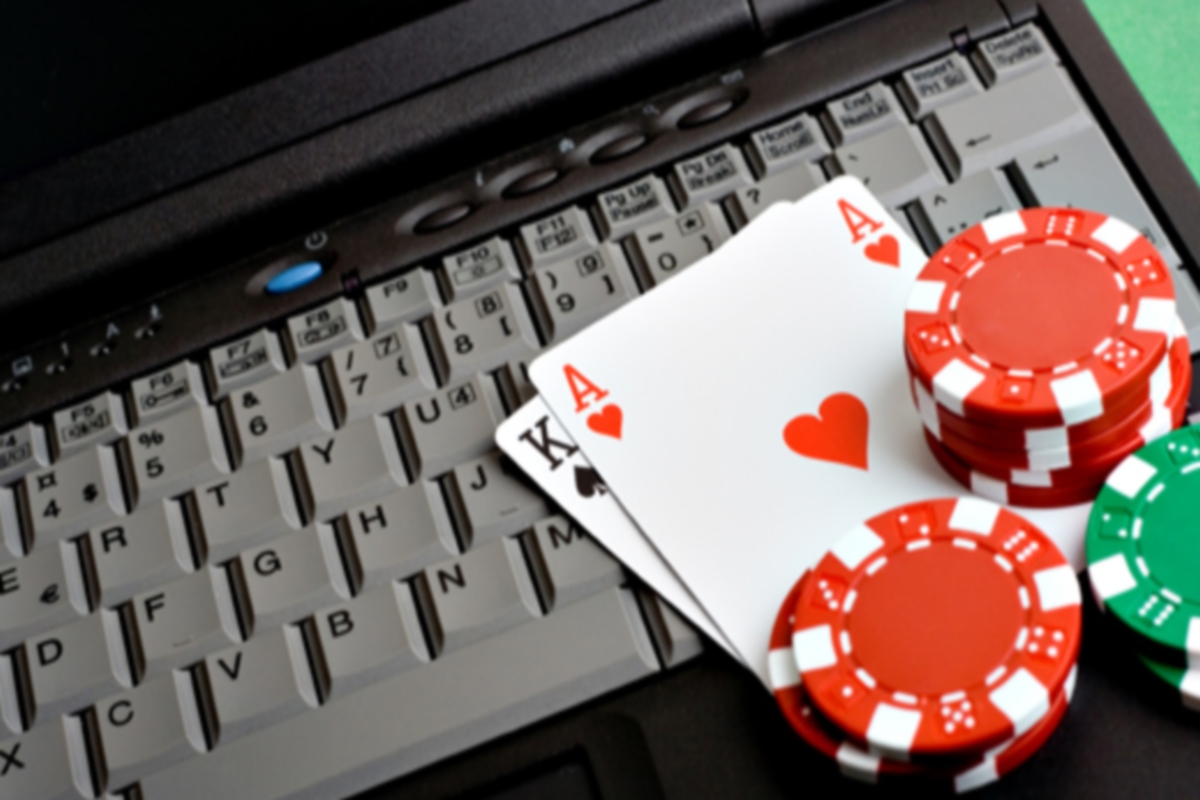
Conversely, losing can provoke feelings of frustration and defeat. Many players may experience cognitive dissonance, where their beliefs about luck clash with their actual experiences. This can lead to a reevaluation of strategies or the unfortunate decision to escalate betting amounts in hopes of changing their luck. The emotional rollercoaster tied to wins and losses can cloud judgment, making it essential for players to remain aware of their psychological state as they navigate their gambling journeys.
Understanding the psychological aspects of winning and losing can empower players to cultivate a healthier relationship with gambling. By recognizing the influence of their emotions, players can learn to manage expectations and develop a balanced approach that appreciates both the thrills of wins and the lessons from losses. This awareness contributes to more intelligent gambling choices, allowing players to demystify the concept of luck while fostering a more responsible gaming experience.
Exploring Resources for Responsible Gambling
The discussion of luck in casinos must also include the vital topic of responsible gambling. Many players may find themselves caught in the illusion of luck, leading to excessive gambling and potential negative consequences. Understanding the difference between entertainment and risk is essential for enjoying the gaming experience while maintaining control over one’s habits. Resources and organizations dedicated to responsible gambling can help individuals better navigate their relationship with casinos and their personal gambling habits.
Many casinos and online platforms offer tools and resources to promote responsible gambling, including self-exclusion programs, deposit limits, and educational materials on the odds and strategies of games. These resources empower players to make informed decisions and maintain a healthy perspective on luck and its impact on their gaming experiences. Establishing personal boundaries around time and money spent at casinos can mitigate the risk of developing harmful gambling patterns while fostering a more enjoyable experience.
For those looking to explore the world of gambling more safely, numerous websites provide comprehensive information about responsible gambling practices. These resources often feature forums, articles, and expert advice aimed at educating players about the importance of moderation. By utilizing these tools, players can create a more enjoyable and sustainable gambling experience, one that acknowledges the role of luck while appreciating the strategic elements at play. Responsible gambling is not just about limiting losses; it’s about fostering a positive outlook on gaming as a whole.